
Zerion® Wallet - Getting started with Extension
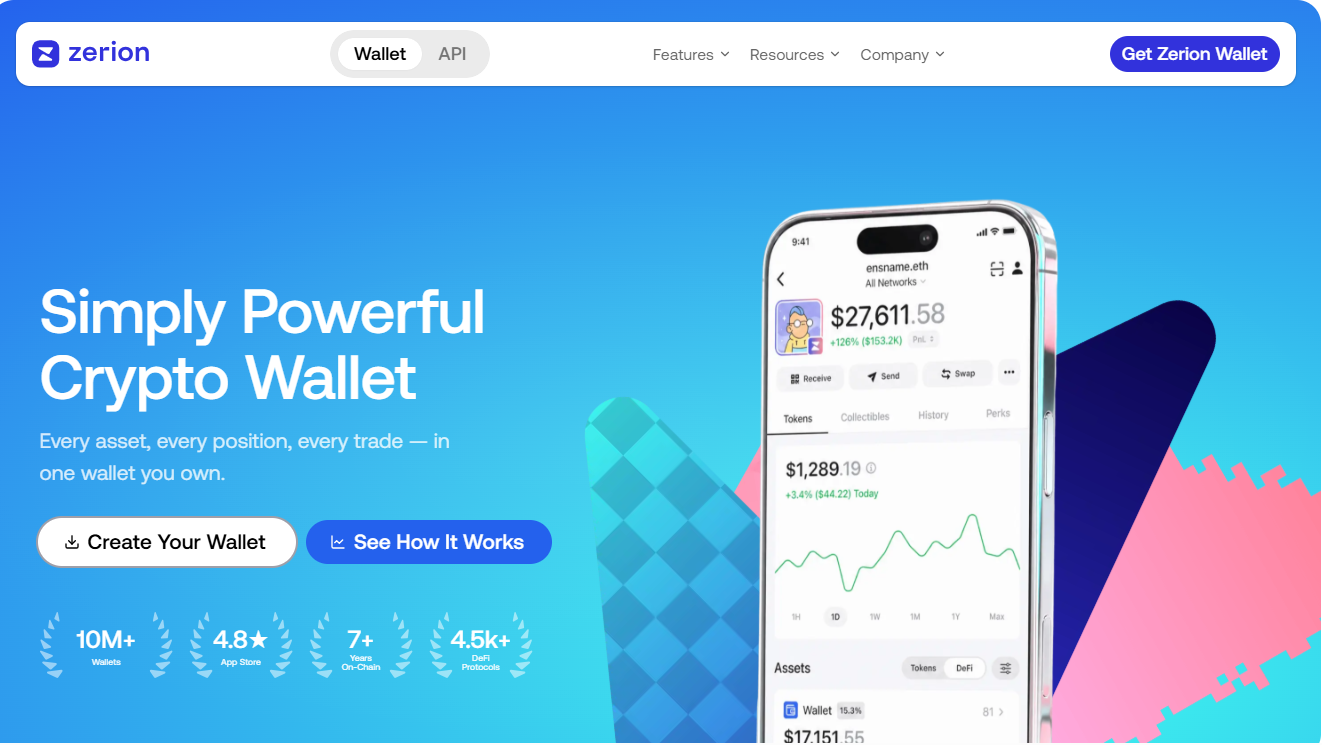
Zerion Wallet: A Smarter Way to Manage Digital Assets
Managing cryptocurrency across multiple networks can become complicated, especially when users need to track tokens, NFTs, DeFi positions, and transactions in different places. Zerion Wallet offers a convenient way to organize and interact with digital assets through a user-friendly Web3 wallet experience.
What Is Zerion Wallet?
Zerion Wallet is a non-custodial crypto wallet designed for interacting with decentralized applications and managing digital assets. Users can monitor their portfolios, send and receive supported tokens, connect with Web3 applications, and explore decentralized finance services.
Because it is non-custodial, users remain responsible for their wallet credentials and transaction approvals. This makes secure backup practices and careful transaction verification especially important.
Key Features of Zerion Wallet
Zerion Wallet combines portfolio tracking and Web3 functionality in one interface. Important features include:
- Self-custody: Users maintain control of their wallet and assets.
- Multi-chain support: Manage assets across supported blockchain networks.
- Portfolio visibility: Track balances and positions from a single interface.
- DeFi access: Connect with decentralized applications and financial protocols.
- NFT management: View and manage supported NFT holdings.
- Transaction controls: Review transaction details before approving activity.
- Web3 connectivity: Interact with compatible decentralized applications.
How to Get Started With Zerion Wallet
Getting started is generally straightforward. Download or access Zerion through its official channels, create or import a wallet according to the available options, and carefully secure your recovery information.
Before making a transaction, always verify the recipient address, blockchain network, token amount, and transaction details. Never share your recovery phrase or private keys with another person or website.
Using Zerion for DeFi and Web3
One of the main benefits of a Web3 wallet is the ability to interact with decentralized applications. Zerion can help users explore supported DeFi services and manage positions while keeping portfolio information accessible in one place.
However, DeFi transactions can involve smart-contract, market, liquidity, and network risks. Users should research a protocol before connecting their wallet or approving a transaction.
Zerion Wallet Security Tips
Security should be a priority when using any crypto wallet. Follow these basic practices:
- Keep your recovery phrase private and offline.
- Never enter recovery information into an unfamiliar website.
- Check URLs carefully before connecting your wallet.
- Review every transaction before signing.
- Avoid approving suspicious smart contracts.
- Keep wallet software updated through official sources.
- Consider using a hardware wallet for additional protection where appropriate.
Frequently Asked Questions
Is Zerion Wallet free?
Zerion may provide wallet functionality without a traditional account subscription, but blockchain transactions can involve network fees and other applicable costs.
Is Zerion Wallet safe?
Zerion is designed around self-custody, meaning users control their wallet credentials. However, wallet security also depends on the user's device, recovery phrase protection, transaction approvals, and interactions with third-party applications.
Can Zerion Wallet be used for DeFi?
Yes. Zerion is designed to support Web3 and DeFi interactions across supported networks and applications.
Where should I download Zerion Wallet?
For security, use Zerion's official website or official app-store listings rather than links received through unsolicited messages or advertisements.
Final Thoughts
Zerion Wallet provides a convenient approach to managing crypto assets and exploring Web3 from a unified interface. Its combination of portfolio visibility, self-custody, multi-chain functionality, and decentralized application access makes it useful for both newcomers and experienced crypto users. As with any non-custodial wallet, users should remain careful with recovery phrases, wallet connections, smart-contract approvals, and transaction details.
Updated about 5 hours ago